A website for your tutoring business
Tutoring has a split audience almost no other small business has: a parent is reading, paying and deciding, while a teenager is the one who has to turn up. A site that forgets either one of them fails.
What a tutoring business’s website actually needs
Five things, in the order they matter. The first one is most of the job.
Write for the parent, about the student
The adult reading the page needs reassurance about cost, safety and whether this will actually help. The student needs to not feel talked about like a problem. Holding both at once is the hardest writing job on a tutoring site and the one that matters most.
Name the exact curriculum, board and level
'Maths tutoring' is a weak signal. The specific qualification, exam board and year group is what a parent types at eleven at night, and it's the difference between being found by someone who needs precisely what you teach and being one of a thousand generic results.
Safeguarding, stated plainly
Background checks, whether sessions are recorded, whether a parent can sit in, and where in-person sessions happen. When the student is under eighteen this isn't reassurance at the margin — for many parents it decides the whole thing.
Be careful and honest about results
Promising grade improvements is the fastest way to destroy trust the moment one doesn't happen. Describing how you assess a student at the start and how you report progress is more credible than a guarantee, and it survives contact with reality.
Online and in-person are different products
They have different pricing, different geography and different scheduling constraints. Let someone go straight to the one they want instead of reading three paragraphs about the format they've already ruled out.
None of that is a to-do list for you.
Four of your team are working today. Each one owns a stage, and each stage happens for your tutoring business specifically — not for a category you picked off a menu.

Atlas
Asks what your tutoring business actually does — what you specialise in, who calls you, and what you want more of.

Orion
Turns that into a plan you read before anything is built — including which of the five above your page leads with.

Forge
Builds the whole site: the pages, the words, the imagery and the way people get in touch. You can watch or close the tab.

Compass
Puts it live on your own domain, and wires up booking and payments when you’re ready to take money through it.


Echo markets and Ledger counts. Neither has shipped, so neither is on your team yet — we would rather show you the empty chairs.
We haven’t built a tutoring business yet.
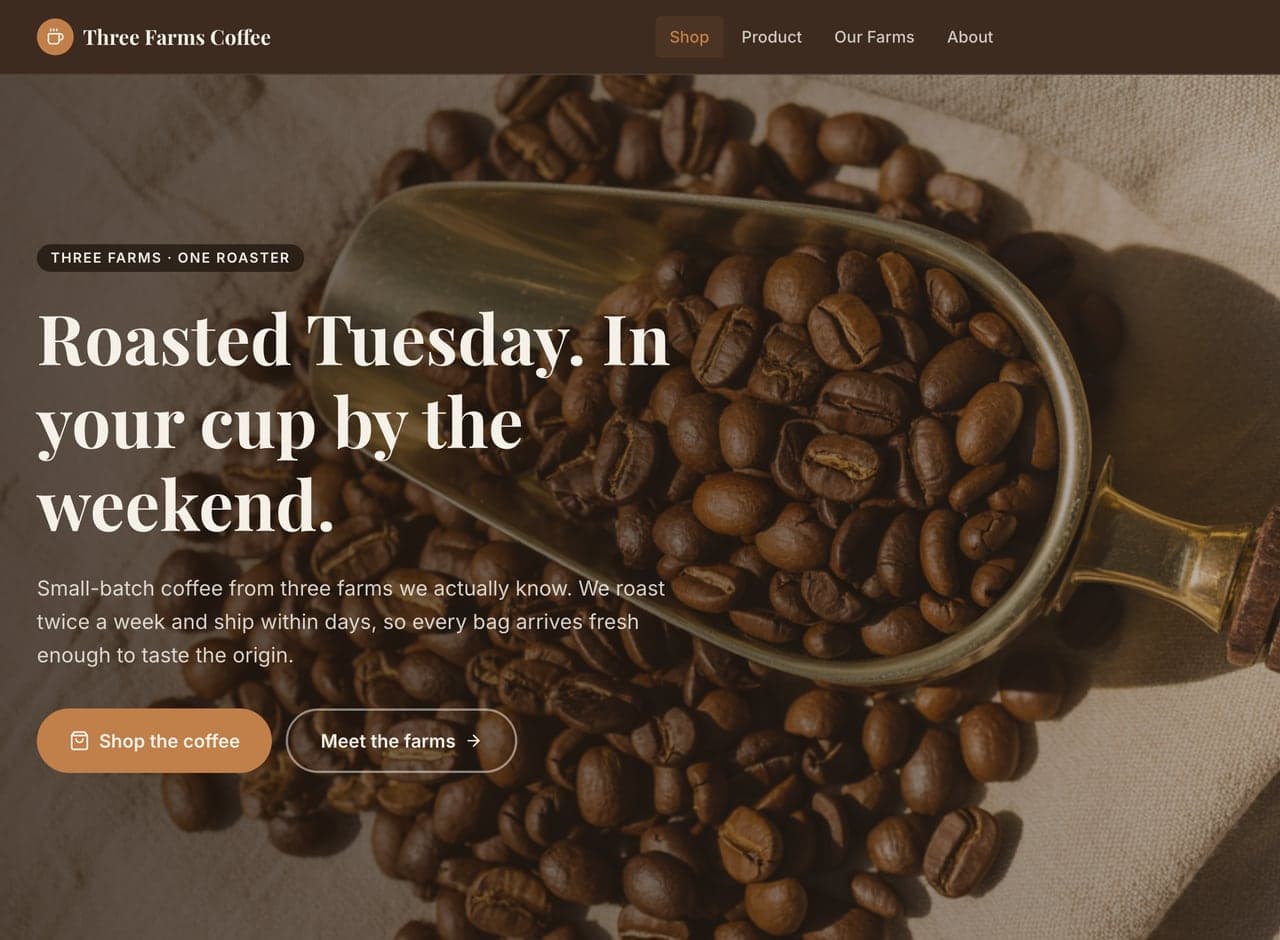
So we’re not going to show you one. These are three real, published Helm builds in other trades — same conversation, same builder. Two of them have a guide of their own if you want to see how the advice changed for a different business.


Common questions
Can parents book and pay for sessions through the site?
Yes — booking and Stripe payments can be wired up when you go live, including for recurring weekly sessions.
I tutor several subjects at several levels — how should that be organised?
Tell Helm the full range during the conversation. Subject and level is the way parents search, so it's usually right to let those be findable individually rather than compressed into one paragraph.
Can I update the site before exam season?
Yes. Click into the page and edit it, or describe the change. Tutoring demand is sharply seasonal, so it's worth putting the season's message on the front page while it's relevant.
Tell Helm about your tutoring business.
A few minutes of conversation, then a plan you read and approve before anything gets built.
Start a planFree to start — you see exactly what Helm produces for your tutoring business before you decide anything.