A website for your bookkeeping practice
Small businesses looking for a bookkeeper are usually trying to escape two things: not knowing what they'll be charged, and not knowing what's actually being done. A site that answers both is unusual enough to be a real advantage.
What a bookkeeping practice’s website actually needs
Five things, in the order they matter. The first one is most of the job.
Name the software you work in
A business already on a particular accounting platform is looking for someone who won't make them move. That single detail matches you to the right clients faster than several paragraphs describing your approach, and it's a specific thing people search for.
Package the monthly work with a monthly price
Open-ended hourly billing is precisely what most small businesses are trying to get away from. A defined monthly package, with what's in it and what it costs, is both easier to sell and easier for you to deliver against.
Be specific about who you serve
Trades, restaurants, e-commerce sellers, freelancers, landlords. Industry-specific bookkeeping is a genuine specialism — the ledger really does look different — and it is how people search when they've been burned by a generalist.
Say what happens with their data
You are asking for access to bank feeds and complete financial records. Where data is stored, who in your practice can see it, and what happens to it if the client leaves are entirely reasonable questions, and answering them before they're asked is disarming.
Your year has peaks and the site should follow them
Year-end and filing deadlines drive most of the enquiries you'll ever get. Being able to change the front page to whatever is urgent this month, in a couple of minutes, is worth more than any amount of evergreen content.
None of that is a to-do list for you.
Four of your team are working today. Each one owns a stage, and each stage happens for your bookkeeping practice specifically — not for a category you picked off a menu.

Atlas
Asks what your bookkeeping practice actually does — what you specialise in, who calls you, and what you want more of.

Orion
Turns that into a plan you read before anything is built — including which of the five above your page leads with.

Forge
Builds the whole site: the pages, the words, the imagery and the way people get in touch. You can watch or close the tab.

Compass
Puts it live on your own domain, and wires up booking and payments when you’re ready to take money through it.


Echo markets and Ledger counts. Neither has shipped, so neither is on your team yet — we would rather show you the empty chairs.
We haven’t built a bookkeeping practice yet.
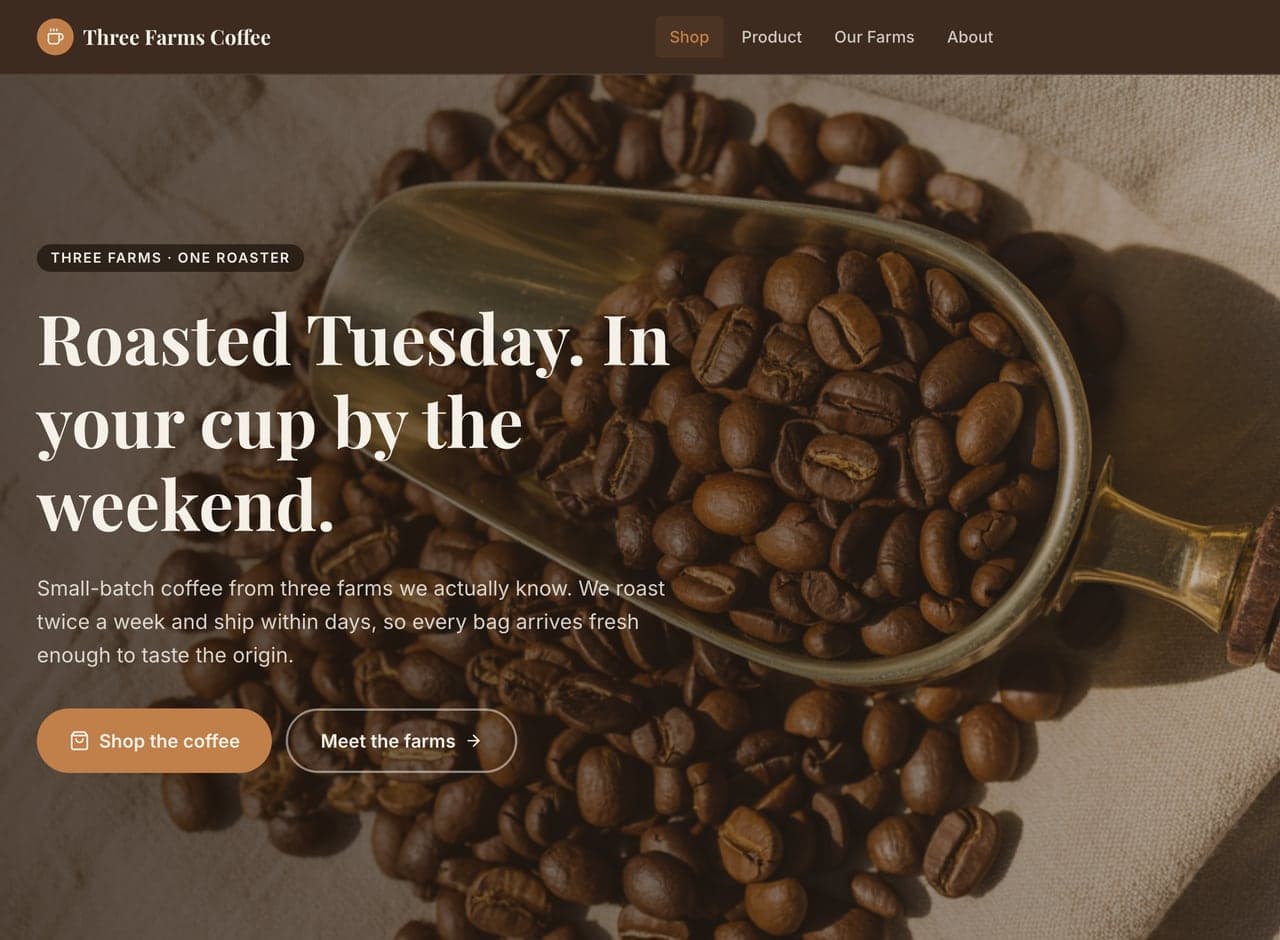
So we’re not going to show you one. These are three real, published Helm builds in other trades — same conversation, same builder. Two of them have a guide of their own if you want to see how the advice changed for a different business.


Common questions
Can clients sign up and pay a monthly fee through the site?
Yes — Stripe payments can be connected when you go live, including recurring monthly billing for a packaged service.
Should I show my prices?
For packaged monthly work, generally yes — it's the main thing that distinguishes you from an open-ended hourly arrangement. For complex or variable engagements, a starting price plus an honest note on what changes it is better than staying silent.
Can I update the site around filing deadlines?
Yes. Click into the page and edit it, or describe the change and Helm makes it. This is worth doing deliberately each season, since that's when the searches happen.
Tell Helm about your bookkeeping practice.
A few minutes of conversation, then a plan you read and approve before anything gets built.
Start a planFree to start — you see exactly what Helm produces for your bookkeeping practice before you decide anything.